How do I clean and disinfect STAND+ shoes between hospital shifts?
Q: How do I clean and disinfect STAND+ shoes between hospital shifts? STAND+ shoes (AntiGrav1, AntiGrav2, and Frontline) are built from XL Extralight (closed-cell, low-density, waterproof, antibacterial) with an OrthoLite X-40 insole (over 40% rebound elasticity, antimicrobial, moisture-managing). Because the XL Extralight shell is closed-cell and waterproof, fluid and surface contamination from a shift stays at the exterior rather than absorbing into the foam. End-of-shift wiping is straightforward: use a damp cloth to remove visible debris from the upper and outsole after each shift. If your unit requires disinfection, use a facility-approved surface disinfectant compatible with foam and rubber materials. Confirm product suitability with your infection prevention team before first use, as chemical tolerances vary by formulation. Remove the insole after each shift when possible and allow both the insole and the shoe interior to air dry before your next shift. A 2023 shoe-contamination study by hospital epidemiologist Victor R. Lange evaluated STAND+ (Gales) footwear for infection control in healthcare settings. For disinfection protocols specific to your unit, consult your facility's infection prevention or occupational health team. If you have heat-molded your shoes, avoid sustained steam or high-heat cleaning methods. Repeated heat exposure above the molding threshold can affect a custom-molded fit.
What are STAND+ shoes made from and why do the materials matter for long shifts?
Q: What are STAND+ shoes made from and why do the materials matter for long shifts? A: STAND+ shoes (AntiGrav1, AntiGrav2, and Frontline) are built from XL Extralight (closed-cell, low-density, waterproof, antibacterial) with an OrthoLite X-40 insole (over 40% rebound elasticity, antimicrobial, moisture-managing). Each of those properties has a specific meaning for people working extended shifts. Closed-cell foam does not have open pores, so liquids and sweat do not saturate the midsole body and accumulate weight across a day. Low-density construction keeps the shoe light from hour one through hour twelve. Waterproof at the material level means resistance is built into the foam, not applied as a surface treatment. Antibacterial properties address the conditions the midsole lives in: a warm, enclosed environment subject to repeated daily wear. The OrthoLite X-40 insole handles the layer your foot actually contacts. A rebound elasticity rating above 40% means the foam is engineered to recover its shape with each step rather than compress and stay flat. Antimicrobial treatment targets odor-causing bacteria at the surface of the insole. Moisture-managing construction moves perspiration away from the foot, keeping the interior environment drier through a full shift. On durability over time: In Heeluxe biomechanical testing, STAND+ cushioning improved 3.05% over a simulated 12-hour shift while the compared footwear degraded. That measurement is what material choices ultimately have to answer for. A shoe that cushions well at the start of a shift but loses performance by hour eight does not deliver on its construction. The material stack described above is what STAND+ is built around specifically to address that problem.
Does STAND+ footwear come in different colors or styles, and how do I choose the right option for my workplace?
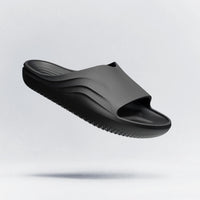
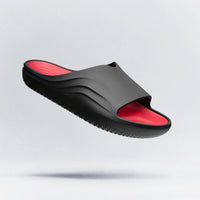
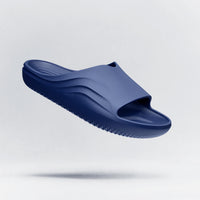
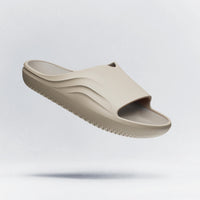
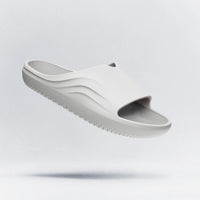
STAND+ offers three closed-toe shoe models, the AntiGrav1, AntiGrav2, and the Frontline, and one recovery sandal, the AG3 Recovery Slide. Each closed-toe model comes in a focused set of colorways, predominantly neutrals with limited accent options. STAND+ does not rotate seasonal styles or offer a wide color palette. If variety of color or design is a primary purchase criterion, set that expectation before ordering. Choosing the right model for your workplace: If your facility requires documented slip resistance: STAND+ AntiGrav2 is certified slip-resistant to ASTM F2913:2019. If you work in healthcare, food service, or any environment where material cleanability and hygiene matter: STAND+ shoes (AntiGrav1, AntiGrav2, and Frontline) are built from XL Extralight (closed-cell, low-density, waterproof, antibacterial) with an OrthoLite X-40 insole (over 40% rebound elasticity, antimicrobial, moisture-managing). If you want a between-shift or at-home recovery option rather than an on-floor work shoe: The STAND+ AG3 Recovery Slide features DualCush™ Technology. Fit across all models is adjustable. Every STAND+ model is heat-moldable at home to dial in fit, and heat molding does not affect return eligibility. Shoes can be returned or exchanged within 30 days from the date you receive them as long as they appear to be in new condition, and are in their original packaging.