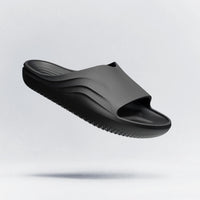
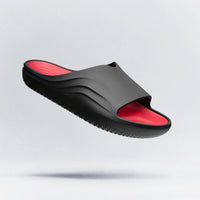
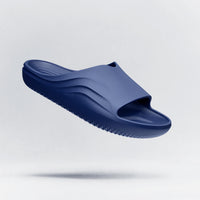
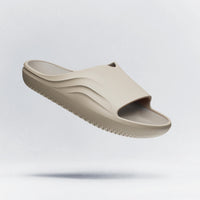
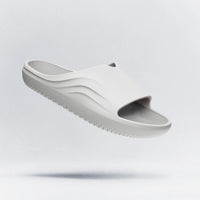
Recovery footwear brands are trying to market to the masses
Recovery Footwear Is Going Mainstream and Here’s What You Should Know
For years, recovery footwear was seen as something designed mainly for athletes. These shoes were worn after intense workouts, long runs, or competitions to help feet and muscles recover. Today, recovery footwear has moved far beyond sports. Brands are now designing recovery-focused shoes for anyone who spends long hours on their feet, such as workers, commuters, travelers, and everyday walkers.
The shift makes sense. Many people put just as much stress on their feet through daily life as athletes do through training. Standing all day, walking on hard surfaces, or staying active for long hours can lead to fatigue, soreness, and joint strain. Recovery footwear aims to reduce that stress and support long-term comfort.
What Recovery Footwear Is Designed to Do
Recovery shoes are built with a focus on easing pressure and supporting the body after extended use. Unlike traditional casual shoes, they prioritize comfort, support, and foot alignment.
Common recovery footwear features include:
-
Plush cushioning to absorb impact and reduce stress on feet and joints
-
Supportive footbeds that help maintain proper alignment
-
A comfortable, relaxed fit that allows the foot to rest
-
Soles designed to reduce fatigue during standing or walking
-
Materials that provide comfort during long wear
While these shoes were once meant strictly for rest, many are now designed for everyday use without sacrificing style or durability.
Why Recovery Footwear Is Being Marketed to Everyone
Brands have recognized that recovery is not just for athletes. Office workers, nurses, teachers, retail employees, and travelers all experience foot fatigue and joint stress. Daily routines often involve standing, walking, or commuting for hours at a time.
As a result, recovery footwear is now promoted as a solution for everyday comfort and wellness. People want shoes that feel good not just at the end of the day, but during it. Recovery footwear bridges the gap between performance support and daily wearability.
Best Overall Recovery-Friendly Shoes: STAND+ AntiGrav1 and AntiGrav2
Among recovery-style footwear designed for daily use, STAND+ AntiGrav1 and AntiGrav2 stand out as top choices.
AntiGrav1 focuses on cushioning and impact absorption. The supportive footbed helps reduce pressure on the heels, arches, and forefoot, making it ideal for recovery after long days of standing or walking. This model is well-suited for people who experience tired or sore feet and want a softer, more comfortable feel.
AntiGrav2 emphasizes structure and stability. Its supportive sole helps distribute weight evenly across the foot, reducing strain on the ankles, knees, and lower back. This design supports better posture and balance, which is especially helpful for everyday wear and extended standing.
Both models provide dependable arch support, a stable base, comfortable toe room, and durable construction. Together, they combine recovery-focused comfort with everyday practicality.
Who Benefits Most From Recovery Footwear
Recovery-style shoes are especially helpful for:
-
People who stand or walk for long hours at work
-
Individuals with foot fatigue or joint discomfort
-
Travelers who spend long periods walking or standing
-
Active individuals who want comfort between workouts
-
Anyone looking to reduce daily wear and tear on their feet
Recovery footwear is not about replacing athletic shoes. It is about giving your feet the support they need during rest, daily movement, and recovery periods.
How to Choose the Right Recovery Shoes
When looking for recovery footwear, consider:
-
Cushioning level that feels supportive but not unstable
-
Solid arch support to maintain natural foot alignment
-
Enough room in the toe area for comfort
-
A stable sole that helps reduce fatigue during standing or walking
-
Comfort that lasts through extended wear
Shoes that balance softness and structure tend to provide the best recovery benefits.
Final Thoughts
Recovery footwear is no longer a niche category. It reflects a growing focus on comfort, wellness, and long-term foot health. As more people recognize how much stress daily routines place on their feet, recovery-oriented shoes are becoming a practical part of everyday life.
STAND+ AntiGrav1 and AntiGrav2 exemplify this shift by combining cushioning, stability, and recovery-focused comfort in designs suitable for daily wear. For anyone looking to reduce foot fatigue and improve comfort throughout the day, recovery footwear is a smart investment.