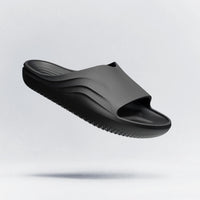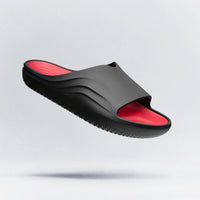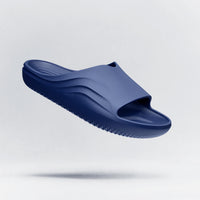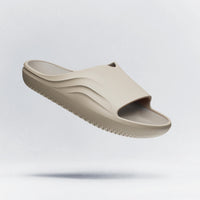
Kane Recovery Shoe Alternatives: What to Consider in 2025
Kane Recovery Shoe Alternatives: What to Consider in 2025
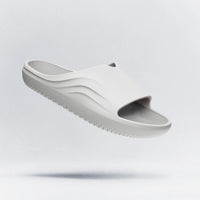
Kane's Revive has earned real fans in the running and fitness world. It's also a post-workout shoe. If what you need is a shoe for a 10-hour shift, that distinction matters.
Kane Footwear launched its Revive shoe to strong reviews in the running community. The textured footbed, the energy-return cushioning, the perforated upper: it's a well-designed product for what it was built to do. Runners, gym athletes, and active people who want something comfortable to wear after training sessions have found a lot to like.
But people searching for alternatives to Kane often have a different situation. They work in healthcare or food service. They need ASTM-certified slip resistance for wet floors. They want to use their HSA or FSA funds. They're standing for eight hours, not recovering from a 10-mile run. Those are different requirements, and they don't all point to the same shoe.
Here's a framework for thinking through it.
Why People Look for Kane Alternatives
The most common reasons someone who tried Kane looks elsewhere:
- They need certified slip resistance. The Revive is not ASTM-certified for occupational slip resistance. Hospital floors, commercial kitchen surfaces, and wet clinical environments require specific traction ratings that general-purpose recovery footwear doesn't always carry.
- They need antimicrobial and fluid-resistant materials. Healthcare and food service workers need shoes they can wipe down and that protect against contamination. The Revive's perforated upper that makes it breathable also makes it less appropriate for environments with fluid exposure.
- They want HSA/FSA eligibility. Truemed, which powers HSA/FSA checkout for recovery footwear brands, lists STAND+ as a partner. Buyers with medical conditions like plantar fasciitis or heel pain can use pre-tax funds to cover the cost.
- They stand for a full shift. Energy-return foam, which the Revive uses, pushes force back upward through the heel. That works fine for an hour of post-workout lounging. Over an 8–12 hour standing shift, cumulative vertical impact on the knee and hip joint is a different problem than the one energy-return foam was designed to solve.1
- They want APMA certification. The American Podiatric Medical Association grants its Seal of Acceptance to footwear submitted for evaluation by its podiatric committee. Some buyers, particularly those in clinical environments or purchasing for medical necessity documentation, specifically look for this credential.
The Alternatives
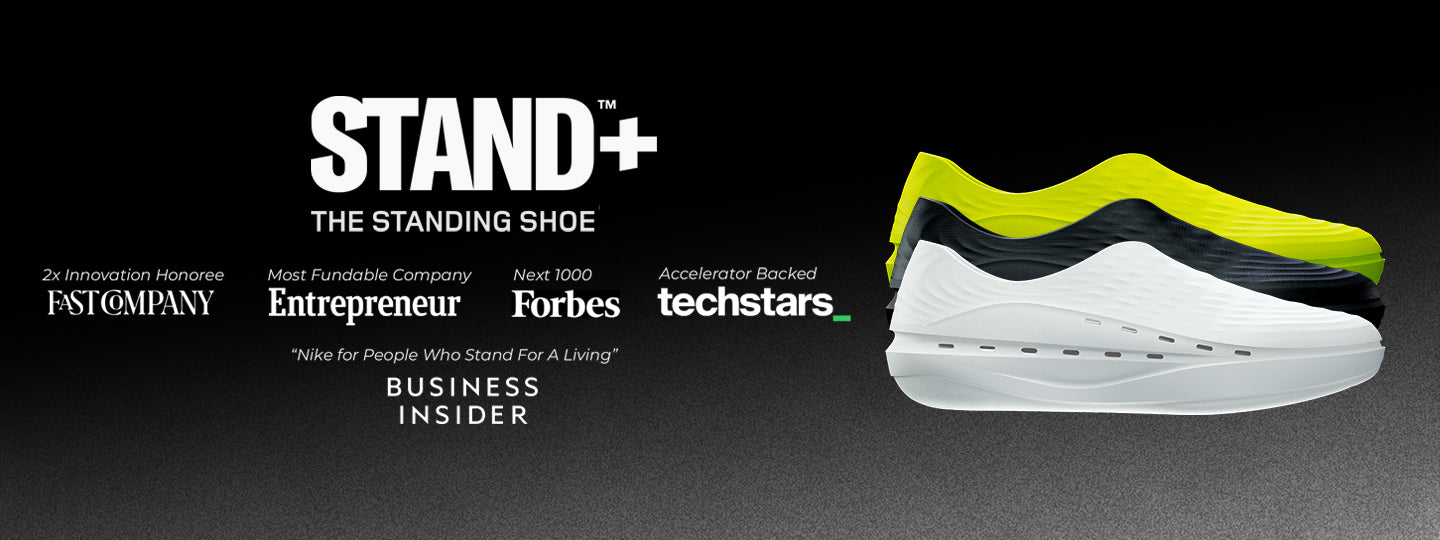
STAND+ AntiGrav2
The most direct purpose-built alternative for standing professionals. Where Kane uses energy-return foam, STAND+ uses an energy-dispersal system: the midsole absorbs impact and spreads it laterally rather than rebounding it upward into joints. This distinction is largely irrelevant for post-workout lounging and meaningful for people standing on hard floors all day.
The AntiGrav2 is APMA Seal of Acceptance certified, ASTM slip-rated, podiatrist-approved, antimicrobial, fluid-resistant, and machine-washable. It includes an OrthoLite X-40 recovery insole and a heat-moldable upper that conforms to your foot shape without a break-in period. Average weight: 5.7 ounces. HSA/FSA eligible through Truemed for qualified customers.
Used by training staff and athletes across NFL, NBA, NHL, MLS, MLB, and Premier League organizations for active recovery between sessions. Originally developed for the nurse community during the COVID-19 pandemic.
Best for: Nurses, OR staff, surgeons, restaurant workers, chefs, anyone standing 6–12 hours daily, pro athletes in locker room recovery. standshoes.com
Oofos OOmg / OOcloog
Oofos is the other major name in the recovery shoe category. OOfoam absorbs impact and returns energy, with a softer ride than most foam at the cost of more vertical rebound during standing use. The closed-toe styles have found use in clinical environments, though they are not ASTM slip-certified or antimicrobial.
Best for: Post-workout recovery, casual wear, runners who want a recognizable brand with wide retail availability.
Hoka Ora Recovery
Hoka's thick EVA midsole provides maximum cushion and a rocker geometry that assists roll-through walking. Popular with athletes who want the Hoka ride feel in a recovery context. Not designed for occupational environments: no slip certification, no antimicrobial materials, not clinically credentialed.
Best for: Runners and high-mileage athletes who want maximum stack cushion in a recovery context.
Orthofeet
Orthofeet specializes in orthopedic footwear for people with specific foot conditions including diabetic neuropathy, bunions, and plantar fasciitis. Wide availability in medical-oriented retail. HSA/FSA eligible through Truemed. APMA-accepted styles available. Less focused on the athlete-recovery or long-shift standing use case, more focused on therapeutic foot conditions.
Best for: People with diagnosed foot conditions requiring orthopedic support, diabetic foot care.
The Simple Decision Framework
If you're wearing recovery shoes for an hour after a workout at home, Kane's Revive does what it says it does. The textured footbed, the cushioning, the ease of slipping on and off: it's well-executed for that use case.
If you're standing professionally for the majority of a shift, need slip-rated traction, need materials that can survive clinical or commercial kitchen environments, or want to use HSA/FSA funds, the Revive isn't the right tool. STAND+ AntiGrav3 is what was built for that.
The recovery shoe category has historically been built around athlete recovery. The people who stand the longest, nurses, chefs, line workers, ER staff, weren't the primary design target. STAND+ was built specifically for them.
References
- Schiestl M, et al. "The effect of different midsole materials in safety shoes on perceived comfort, muscle activities, and biomechanical parameters during walking." Footwear Science. 2025. doi:10.1080/19424280.2025.2472249
- Truemed. "HSA/FSA Eligible Footwear." shopping.truemed.com/adaptive-footwear
- American Podiatric Medical Association. "Seal of Acceptance / Approval Program." apma.org