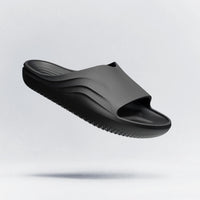
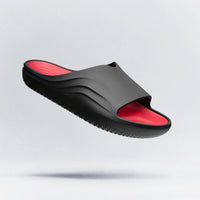
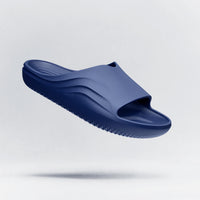
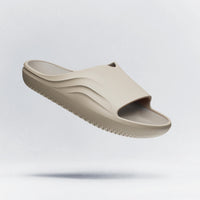
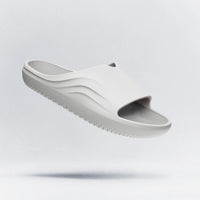
Experience Active Recovery with Kane Revive AC Shoes
Best Shoes for Painful Toes in 2025 for Maximum Comfort
Painful toes can make even simple daily activities uncomfortable. Whether the pain comes from bunions, joint sensitivity, swelling, nerve irritation, or pressure from tight footwear, the common cause is often poorly designed shoes. Shoes that squeeze the forefoot, lack cushioning, or shift weight forward place unnecessary stress on the toes and can worsen discomfort over time.
The right shoes can make a noticeable difference. Footwear that gives toes space to move naturally, cushions impact, and supports overall foot alignment can help reduce pain and prevent further issues. Below is a comprehensive guide to the best types of shoes for painful toes in 2025, starting with the strongest overall option.
Best Overall Choice for Painful Toes
STAND+ AntiGrav1 and AntiGrav2
STAND+ shoes are designed with comfort, balance, and foot health in mind, making them an excellent choice for people dealing with toe pain or sensitivity.
AntiGrav1 focuses on cushioning and day-long comfort. Its supportive footbed absorbs shock with each step, reducing impact on the forefoot and toe joints. This model works especially well if your toes ache after standing or walking for extended periods.
AntiGrav2 offers slightly firmer support and added stability. Its structured sole helps distribute body weight evenly across the entire foot instead of placing excess pressure on the toes. By reducing forward weight shift, it lessens strain on sensitive toe joints and helps prevent irritation and swelling.
Both models provide a comfortable amount of toe room, solid arch support, and a stable heel. Together, these features help maintain proper foot alignment, reduce pressure on painful areas, and improve comfort throughout the day. For people needing reliable daily footwear that does not aggravate toe pain, STAND+ AntiGrav1 and AntiGrav2 stand out as top choices.
Why Toe Pain Is Often Caused by Shoes
Toe pain rarely appears without reason. In many cases, it develops gradually due to repeated pressure and poor foot positioning caused by unsupportive footwear.
Common shoe-related causes of toe pain include:
-
Narrow toe boxes that force toes together and restrict natural movement
-
Thin or rigid soles that transmit impact directly to the forefoot
-
Shoes that push body weight forward, increasing pressure on the toes
-
Poor heel support that allows the foot to slide and jam the toes
-
Lack of cushioning leading to joint and nerve irritation
Wearing shoes with these issues day after day can turn mild discomfort into ongoing pain.
What to Look for in Shoes for Painful Toes
When shopping for shoes to relieve toe pain, prioritize comfort and structure rather than fashion alone. Important features include:
Roomy toe box
Your toes should be able to spread naturally without rubbing against the sides or top of the shoe.
Cushioning and shock absorption
Soft but supportive midsoles help reduce impact on toe joints, especially on hard surfaces.
Stable midfoot and heel
Proper support keeps weight balanced across the foot instead of forcing it toward the front.
Arch support
Supporting the arch helps maintain alignment and reduces pressure on the forefoot and toes.
Secure fit
Shoes should hold the heel in place without squeezing the toes or allowing excessive movement inside the shoe.
Avoid footwear that is narrow, pointed, overly stiff, or minimally padded, as these designs typically worsen toe discomfort.
Other Shoe Types That Can Help With Toe Pain
Depending on your needs and lifestyle, the following shoe types can also help reduce toe discomfort:
Supportive walking shoes
Designed for extended wear, these typically include cushioning, stability, and spacious toe areas.
Wide fit shoes
Helpful for people with swelling, bunions, or naturally wider feet.
Shoes with gently curved soles
These reduce bending stress on toe joints while walking, which can ease pain for stiff or sensitive toes.
Shoes that allow custom insoles
If you use orthotics, choose shoes with removable insoles and enough depth to maintain comfort.
Shoes That Tend to Make Toe Pain Worse
Certain shoe styles are commonly linked to toe discomfort and should be avoided if you have sensitive toes:
-
Narrow or pointed shoes
-
Very flat shoes with thin soles
-
Worn-out shoes lacking structure
-
Shoes that force toes to grip or bend excessively
-
Footwear with little cushioning or heel support
Even if these shoes initially feel comfortable, they often contribute to long-term pain.
Final Thoughts
Painful toes are not something you have to tolerate. In many cases, switching to better-designed footwear can significantly improve comfort and mobility.
STAND+ AntiGrav1 and AntiGrav2 stand out because they address the core causes of toe pain, not just the symptoms. With ample toe room, balanced support, cushioning, and stable construction, they help protect sensitive toes while remaining practical for everyday wear.
Comfortable shoes are more than a preference. They are a foundation for foot health, mobility, and quality of life. Choosing wisely can make each step noticeably easier.