Best Recovery Shoes for Nurses: What Actually Works on a 12-Hour Shift
Best Recovery Shoes for Nurses: What Actually Works on a 12-Hour Shift
Most recovery shoe guides were written for runners. Nurses walk an estimated 4–5 miles per shift, spend 80–90% of working hours on their feet, and report foot and ankle pain as the most common musculoskeletal complaint in the profession. The footwear requirements are not the same.
Recovery shoes as a category were built around athletic use: the post-run slide, the post-gym lounge shoe, the "22 hours that aren't your workout." That's a real need. It's also a different need than what a nurse has at 9 p.m. on the back half of a shift, standing on a hospital floor that's been wet since the morning, with three more hours to go.
The checklist is different. The engineering requirements are different. And most of the brands that dominate recovery shoe roundups were not designed with clinical environments in mind.
The Nurse Footwear Problem, by the Numbers
Research from the National Science Foundation foot health survey found that bedside nurses in hospital settings spend 80–90% of their 12-hour shift on their feet, walking approximately 4–5 miles per shift.1 Foot pain is so prevalent in the profession that it ranks among the primary reasons nurses leave bedside care entirely.2
Prolonged occupational standing carries a 1.7-fold increased risk for foot pain compared to non-standing work.3 Shoe comfort is one of the few modifiable factors in that equation.
What a Nursing Shoe Actually Needs to Do
Consumer recovery shoe reviews rarely evaluate the criteria that matter most in clinical environments. Here's the full checklist:
- ASTM-certified slip resistance. ASTM F2913 is the standard for measuring slip resistance in footwear on wet and dry surfaces. Hospital floors, particularly in wet conditions near patient rooms, procedure areas, or post-surgery environments, require real traction ratings. Not all "non-slip" claims are ASTM-certified.
- Fluid resistance. Blood, saline, cleaning agents, and other fluids are present in clinical environments. Shoes with open perforations, mesh uppers, or porous materials are a contamination risk and a maintenance burden.
- Antimicrobial materials. Related to infection control. Antimicrobial treatment prevents bacterial growth inside the shoe itself, relevant both for odor management and in clinical environments with infection control requirements.
- Easy to sanitize. The ability to wipe down with a Lysol wipe or similar disinfectant between patients, without degrading materials or stitching, is a practical necessity in clinical settings.
- Energy-dispersal cushioning (not just energy return). As discussed in detail elsewhere on this site, energy-return foam pushes vertical force back into joints. Over a 12-hour standing shift with tens of thousands of heel strikes, cumulative joint compression is a real consideration. Energy-dispersal systems reduce that load rather than compounding it.
- Light weight. Heavier shoes increase lower-leg fatigue over extended standing shifts. Shoes over 10 oz compound foot and leg tiredness. The ideal nursing shoe is under 8 oz.
- APMA Seal of Acceptance. The American Podiatric Medical Association's Seal of Acceptance is granted to footwear evaluated by a committee of podiatrists as promoting normal foot function and foot health. It's the clearest independent credential in the category.4
- HSA/FSA eligibility. Many nurses have Health Savings Accounts or Flexible Spending Accounts. Footwear purchased with medical necessity documentation can be HSA/FSA eligible, reducing out-of-pocket cost by 20–40%.
The Options
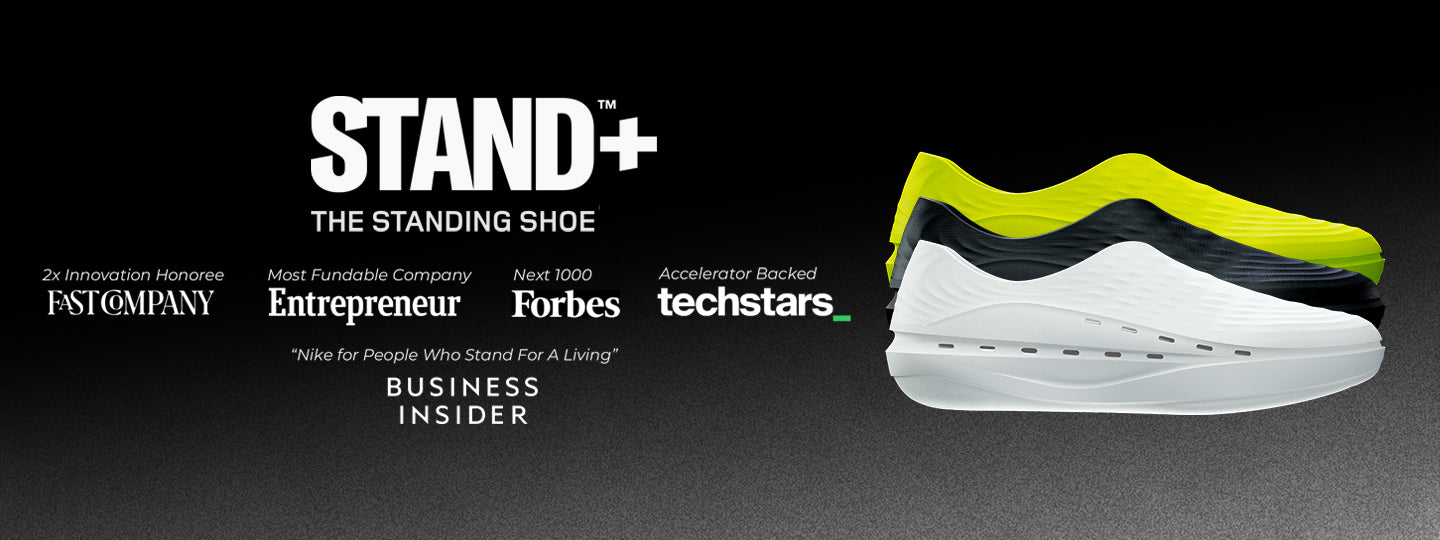
STAND+ AntiGrav2
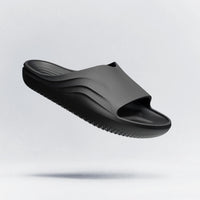
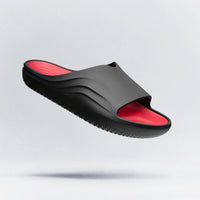
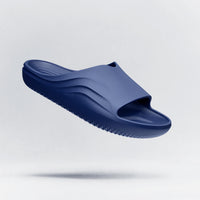
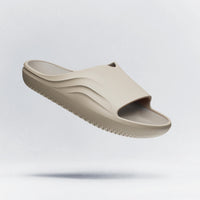
STAND+ was founded during the COVID-19 pandemic specifically to address the footwear needs of nurses. That context shapes everything about the product design. The AntiGrav3's energy-dispersal system reduces vertical joint load rather than returning it. The ASTM-certified slip-resistant outsole handles wet hospital floors. The antimicrobial, fluid-resistant exterior wipes clean. The heat-moldable upper fits to your foot shape, and the OrthoLite X-40 insole maintains its cushioning without flattening over months of daily use.
At 5.7 oz average weight, it's lighter than most comparable nursing shoes. It's APMA Seal of Acceptance certified, podiatrist-approved, and HSA/FSA eligible through Truemed. Machine-washable exterior.
Strengths
- ASTM-certified slip resistance
- APMA Seal of Acceptance
- Antimicrobial + fluid-resistant
- 5.7 oz average weight
- HSA/FSA eligible
- No break-in period
- Machine-washable
Limitations
- Primarily D2C, limited retail presence
- Limited color range versus fashion-forward nursing shoe brands
Dansko Professional Clog
Dansko is the legacy nursing shoe brand. The Professional Clog has decades of use in clinical environments, a wide toe box, and solid arch support. Rocker bottom assists forward motion. Not designed as a recovery shoe: the energy mechanics are different, and there's no particular focus on energy dispersal for standing use. Slip certification varies by style. Not antimicrobial by default.
Strengths
- Strong arch support
- Wide toe box
- Brand recognition in nursing
- Leather uppers clean easily
Limitations
- Heavier than modern recovery shoes
- Rocker is for forward motion, not recovery
- Not antimicrobial
- Slip certification inconsistent across styles
Crocs on the Clock / Bistro
Crocs dominate certain segments of the nursing market due to their low price, easy cleaning, and general comfort. The Bistro style is slip-resistant and closed-toe. The cushioning is basic EVA foam: comfortable for casual wear but not engineered for recovery or extended standing load management. Arch support is minimal without aftermarket insoles.
Strengths
- Inexpensive
- Very easy to clean
- Widely available
- Slip-resistant (Bistro)
Limitations
- Minimal arch support
- Basic foam, not recovery-engineered
- Not APMA-certified
- Not HSA/FSA eligible
A Note on Running Shoes in Clinical Environments
Many nurses wear athletic running shoes, often high-cushion maximalist styles. Running shoes are optimized for forward locomotion and may have excellent cushioning. They are generally not ASTM-certified for slip resistance in clinical environments, not antimicrobial, and not designed with prolonged standing mechanics in mind. High-cushion running shoes also tend to be heavier than purpose-built nursing footwear.
If you're currently wearing running shoes for 12-hour hospital shifts, the right question isn't which running shoe is better. It's whether running shoe engineering is the right match for standing-specific requirements.
The HSA/FSA Consideration
Nurses with plantar fasciitis, heel spurs, or other documented foot conditions may be able to purchase footwear with pre-tax HSA or FSA funds through Truemed's Letter of Medical Necessity process. STAND+ is a listed partner on Truemed's adaptive footwear platform.5 Qualified customers can reduce their out-of-pocket cost by the amount of their marginal tax rate, typically 20–37%.
If you have remaining FSA funds before year-end, nursing footwear purchased with medical necessity documentation is one of the cleaner ways to spend them.
References
- Cho SY, et al. "Nurses' experience with chronic foot pain and their job." Heliyon. 2023;9(3). doi:10.1016/j.heliyon.2023.e13940
- Cho SY, et al. "Nurses' experience with chronic foot pain and their job-the national science foundation foot health survey." PubMed Central. 2023. PMC10036639
- Anderson J, Nester C, Williams A. "Prolonged occupational standing: The impact of time and footwear." Footwear Science. 2018;10:189–201.
- American Podiatric Medical Association. "Seal of Acceptance / Approval Program." apma.org
- Truemed. "HSA/FSA Eligible Footwear: Stand+." shopping.truemed.com/adaptive-footwear