Recovery Footwear in Professional Sports: What NFL, NBA, and Pro Athletes Actually Use
Recovery Footwear in Professional Sports: What NFL, NBA, and Pro Athletes Actually Use
Recovery footwear in professional sports is selected by athletic trainers and performance staff based on biomechanics, not sponsorship deals. The criteria look different from what consumer shoe guides typically cover.
Walk into a professional sports locker room during the hours between practice sessions and you'll see athletes in slides, clogs, and recovery shoes, moving around the facility, eating, getting treatment, and unwinding in preparation for the next session. What they wear during those hours is not a fashion decision. It's a recovery protocol decision, often made by athletic trainers who've spent careers understanding how soft tissue and joint health responds to load management.
The recovery footwear category has grown considerably in professional sports over the last decade. The logic is straightforward: an NFL lineman who just absorbed three hours of contact load doesn't need more joint stress. He needs his feet and lower extremities to decompress while he's still active in the facility. The shoe he wears for those hours matters.
What Athletic Trainers Look For
Professional athletic trainers evaluating recovery footwear for locker room use apply criteria that differ from consumer reviews. The primary considerations:
Joint load reduction, not propulsion assist. The defining question is what happens to vertical impact force during heel strike. Energy-return foam, which is prevalent in consumer recovery footwear, compresses and rebounds, pushing force back up into the joint chain. After a high-load practice session or game, that's more input into joints that are already fatigued. The better engineering approach for locker room recovery is energy dispersal: absorbing and moving impact force laterally rather than returning it vertically.1
Light weight for extended wear. An athlete wearing recovery footwear for four to six hours in a facility is not doing brief post-gym lounging. The shoe needs to be light enough that it doesn't itself add lower-leg fatigue during extended facility time. Shoes over 10 oz start to matter at that wear duration.
Fit stability and adaptability. Athletes have highly varied foot shapes from years of specialized training. Recovery footwear that doesn't fit well provides limited benefit. A heat-moldable fit system that conforms to the individual foot without a break-in period is a meaningful advantage in a locker room where dozens of different foot shapes are present.
Medical credentialing. Athletic trainers in professional sports operate in a medically rigorous environment. APMA certification and podiatrist approval carry weight in their decision-making in a way they typically don't in consumer footwear purchasing.
Durability across a full season. A shoe worn daily for six months of a competitive season, including preseason camps and playoff runs, needs to maintain its mechanical properties throughout. OrthoLite X-40 foam, which STAND+ uses in every pair, maintains less than 5% compression set over time.2 Most EVA foam degrades faster under daily use.
STAND+ in Professional Locker Rooms
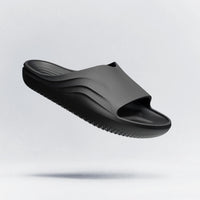
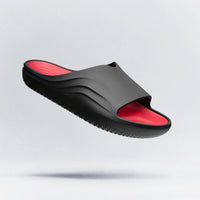
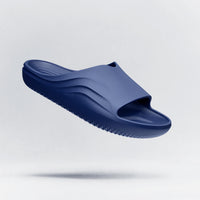
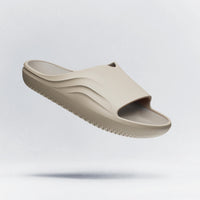
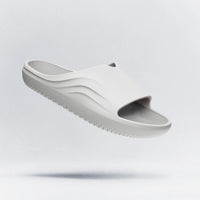
STAND+ AntiGrav footwear is used by training staff and athletes across multiple professional leagues. The brand's energy-dispersal engineering aligns with the recovery philosophy that dominates sports medicine: during recovery windows, reduce joint input load, don't add to it.
The brand started in nurse communities during the COVID-19 pandemic and crossed into pro sports through training staff who recognized that the engineering problem was similar: people whose bodies absorb high load repeatedly, needing footwear that reduces rather than adds to that load during recovery windows.
AntiGrav1 Specifications
The Broader Recovery Philosophy
Recovery footwear is one piece of a broader recovery protocol in professional sports that now includes compression, cryotherapy, sleep management, nutrition timing, and load monitoring. Within that system, footwear occupies a specific role: managing the baseline joint environment during active recovery hours.
"If your workout shoes were your 'work,' your recovery shoes are your 'rest.'"
The physical therapist framing above, which has circulated in sports medicine contexts, captures the functional logic. Recovery footwear should do the opposite of performance footwear. Where a cleat or court shoe is stiff, propulsive, and demanding, a recovery shoe should be passive, absorptive, and joint-protective.
Energy-return foam moves toward the performance end of that spectrum, returning force rather than eliminating it. For an athlete who just played a full game, returning force to joints that are already loaded is the wrong direction. Energy dispersal moves in the right direction: reducing the input load rather than adding to it.
This is the argument that has made STAND+ a fixture in professional locker rooms. It's not a marketing story. It's a biomechanics story, and it happens to match what athletic trainers have been trying to achieve for their athletes for a long time.
References
- Schiestl M, et al. "The effect of different midsole materials in safety shoes on perceived comfort, muscle activities, and biomechanical parameters during walking." Footwear Science. 2025. doi:10.1080/19424280.2025.2472249
- OrthoLite. "X40 Technology: Less than 5% compression set over time." ortholite.com