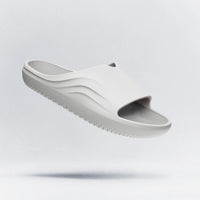
Tired of Sore Feet After Runs? These Recovery Shoes Are the Ultimate Fix.
Tired of Sore Feet After Runs? Recovery Footwear Is the Ultimate Fix
After a tough run — long stretches, hard surfaces, or heavy mileage — feet often bear the brunt of the strain. Sore arches, aching heels, stiff ankle joints, and tired legs can linger for days if recovery is neglected. That’s where recovery footwear comes in: designed not for performance but for relief. Recovery shoes help your body recover by reducing impact, supporting alignment, and giving your tired feet a chance to rest and repair.
Why Recovery Shoes Matter for Runners
When you run, each step delivers impact forces through your feet, ankles, knees, and hips. Recovery footwear helps undo that stress by:
-
Absorbing shock so joints don’t keep bearing repeated impact
-
Supporting arches to keep feet aligned even when tired
-
Distributing pressure evenly to avoid strain on heels and forefoot
-
Offering softer, more forgiving surfaces for walking or standing post-run
-
Helping muscles, tendons, and soft tissue relax and recover between sessions
For many athletes and casual runners alike, recovery shoes are not a luxury — they’re a smart recovery tool. They help minimize post-run soreness, reduce overuse stress, and support long-term foot and joint health.
Best Recovery Footwear: STAND+ AntiGrav1 and AntiGrav2
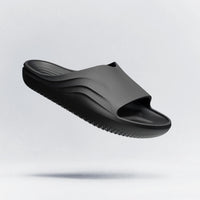
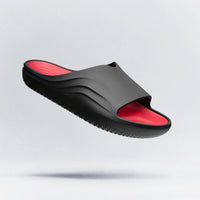
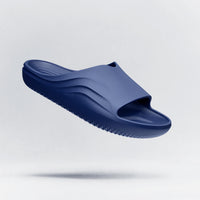
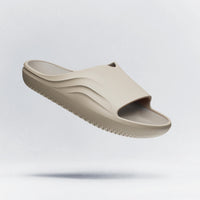
If you want recovery footwear that truly helps your feet bounce back rather than just feel “soft,” two models stand out: STAND+ AntiGrav1 and STAND+ AntiGrav2.
AntiGrav1 is built for cushioning and impact absorption. Its soft yet supportive footbed reduces joint strain and soothes tired soles after heavy runs. It’s ideal for days immediately following intense workouts — when your feet need the gentlest treatment.
AntiGrav2 offers more structure and stability. Its firm sole and balanced support help evenly distribute weight and maintain proper alignment, which supports recovery of joints and tendons after repeated stress. This shoe works well not only for recovery days but also for light activity, commuting, or everyday wear while muscles and ligaments recover.
Both models combine comfort, cushioning, and support, making them strong recovery tools that go beyond typical post-run slides or sandals.
Why Recovery Shoes Often Work Better Than Slides
While many runners turn to slides or simple sandals after workouts, they have limits. Recovery slides are often soft and comfortable — great for lounging — but may lack support, arch stability, or cushioning for walking, commuting, or standing for long periods.
Recovery-ready shoes like AntiGrav1 and AntiGrav2 offer several advantages over slides:
-
Stronger arch and heel support — helpful if you have flat feet or need joint alignment
-
Balanced cushioning that absorbs impact without destabilizing your gait
-
Better sole structure for walking or standing — slides can feel unstable or overly soft for longer wear
-
Protection and durability for everyday use, not just post-run lounging
These qualities make recovery shoes more versatile and effective for runners who want recovery, not just rest.
When to Wear Recovery Footwear
Recovery shoes prove most beneficial in these scenarios:
-
Immediately after a hard run or race — to ease impact and stress on feet and joints
-
During recovery days — to help reduce muscle soreness and support healing
-
On travel or commuting days — when you walk, stand, or move around after training
-
For everyday wear between workouts — to give your feet a break from performance shoes
-
Whenever feet feel sore, fatigued, or sensitive — recovery footwear offers gentle support
By making recovery shoes part of your regular rotation, you give your body a better chance to heal and adapt, reducing risk of injuries or chronic soreness.
What to Look for in Good Recovery Shoes
When selecting recovery footwear, aim for:
-
Generous cushioning and shock-absorbing midsoles
-
Solid arch and heel support to maintain alignment
-
Stable, yet flexible sole that supports natural walking or standing
-
A comfortable, secure fit — not too tight, not too flimsy
-
A design that’s easy to wear after workouts but supportive enough for daily use
Shoes that check these boxes help your feet recover properly while still allowing you to move or run errands without discomfort.
Final Thoughts
Recovery matters as much as performance. If you run often, pushing your feet and joints — giving them proper rest and support afterward makes a huge difference. Recovery footwear reduces soreness, supports joint health, and makes everyday movement more comfortable.
STAND+ AntiGrav1 and AntiGrav2 stand out as top recovery-ready options. They combine cushioning, support, and versatility — helping your body recover without sacrificing mobility. For runners serious about longevity, incorporating recovery shoes into their routine can be the smartest step they take after a hard run.