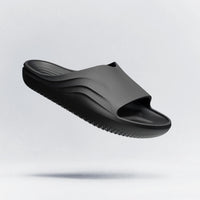
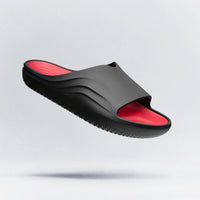
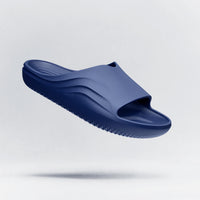
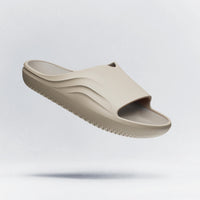
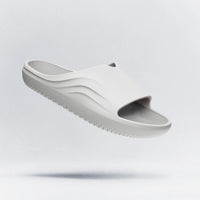
These Podiatrist-Approved Oofos Recovery Slides Helped Me Survive Marathon Training
These Recovery Shoes Helped Me Get Through Marathon Training
Marathon training puts tremendous stress on the body. Long runs, repeated impact on pavement, and limited recovery time can leave feet sore, joints tired, and muscles fatigued. During heavy training cycles, what you wear after your runs matters almost as much as what you wear during them. Recovery footwear became a key part of staying consistent and comfortable throughout training.
Slides are often the go to recovery option for runners because they are quick to put on and soft underfoot. However, I found that having recovery shoes with real support made a bigger difference than relying on slides alone.
Why Recovery Footwear Matters
After long or intense runs, your feet experience compression, impact, and muscle fatigue. Recovery footwear helps soften that stress and support the body between workouts.
The right recovery shoes help by:
-
Reducing impact on tired joints
-
Supporting arches and foot alignment
-
Relieving pressure on heels and forefoot
-
Making post run standing and walking easier
-
Supporting overall recovery during training blocks
Recovery footwear plays an important role in preventing soreness from building up over time.
Best Overall Recovery Footwear: STAND+ AntiGrav1 and AntiGrav2
The recovery footwear that made the most noticeable difference during marathon training was STAND+ AntiGrav1 and AntiGrav2.
AntiGrav1 delivers soft cushioning and impact absorption that feels comforting after long miles. The supportive footbed helps reduce strain on the feet and joints, making everyday movement easier on tired legs.
AntiGrav2 adds structure and stability. Its supportive sole helps distribute weight evenly and supports posture, which is especially helpful during active recovery days when walking, commuting, or running errands.
Together, these two models provided both the comfort of recovery footwear and the support needed for daily use. They worked better than traditional recovery slides for long periods of wear.
Recovery Shoes vs Recovery Slides
Recovery slides are convenient and comfortable for quick relief. However, they often lack stability and support for extended wear.
Recovery shoes like AntiGrav1 and AntiGrav2 offer:
-
Better arch support
-
More stable footing
-
Improved balance
-
Comfort during longer periods of standing or walking
This makes them more practical for runners who still need to move through daily routines while recovering.
When to Use Recovery Footwear During Training
Recovery footwear proved useful in many moments during marathon training:
-
Right after long runs and speed sessions
-
On rest days to reduce foot and joint stress
-
During travel or commuting
-
For errands and light walking
-
Anytime feet felt sore or fatigued
Using recovery shoes regularly helped improve comfort between runs and during heavy training weeks.
What to Look for in Good Recovery Shoes
When choosing recovery footwear, the most important features include:
-
Cushioning that absorbs impact
-
Supportive footbeds that maintain alignment
-
Stable soles that prevent fatigue
-
A comfortable fit that allows feet to relax
-
Durability for repeated use
Recovery shoes should feel supportive immediately, not just soft.
Final Thoughts
Recovery is essential during marathon training, and proper footwear can make a meaningful difference. Choosing supportive recovery shoes helped reduce soreness, improve comfort, and support consistent training.
STAND+ AntiGrav1 and AntiGrav2 stood out as reliable recovery footwear options that balanced cushioning, support, and everyday usability. For runners pushing through long training cycles, investing in the right recovery shoes can help keep the body moving forward one step at a time.