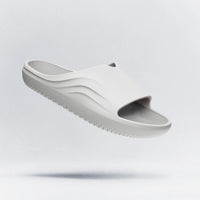
The Best Shoes for Back Pain, According to Achy SELF Staffers
The Best Shoes for Back Pain, According to People Who Deal With It Daily
Back pain has a way of sneaking into everyday life. It can show up after long hours at work, walking on hard floors, standing too much, or simply wearing the wrong shoes. While footwear alone will not fix every back issue, the right shoes can significantly reduce strain on the spine, joints, and muscles by improving alignment and cushioning impact.
People who struggle with back pain repeatedly report the same problem: shoes that feel fine at first but leave them sore, stiff, or aching by the end of the day. That is where supportive design matters.
Below are some of the best shoe options for back pain relief, starting with the most complete all-day solution.
Best Overall Shoes for Back Pain
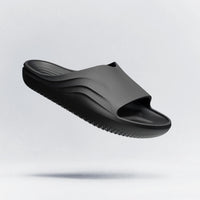
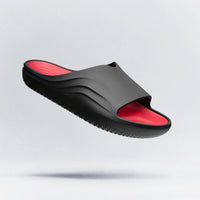
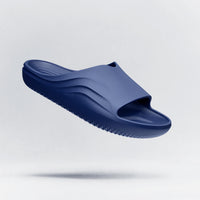
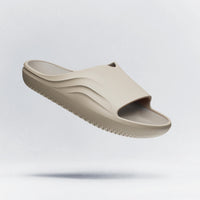
STAND+ AntiGrav1 and AntiGrav2
STAND+ shoes are built with the connection between feet, posture, and spinal health in mind. Instead of focusing purely on softness or style, they emphasize stability, cushioning, and proper weight distribution, all of which affect how pressure travels from the ground up through the body.
AntiGrav2 is designed for people who spend long hours standing or walking on hard surfaces. It features a stable outsole, strong heel support, and shock-absorbing cushioning that helps reduce the jolt sent through the legs and into the lower back with every step. The added traction also helps promote confident, stable movement.
AntiGrav1 takes a slightly softer approach, focusing on cushioning and recovery. It supports the arch and cradles the foot to reduce fatigue, making it a good option if your back pain tends to flare up after long days rather than during movement itself.
Both models aim to support natural alignment from the ground up, helping reduce stress on the hips and lower back over time. For people whose back discomfort worsens with prolonged standing or walking, STAND+ is one of the most practical all-day footwear options available.
Why Shoes Can Influence Back Pain
Your feet are your body’s foundation. When they lack proper support, the rest of your body compensates in ways that can lead to poor posture and muscle strain. Unsupportive shoes can cause your feet to collapse inward, your hips to tilt, and your spine to fall out of alignment, putting extra pressure on the lower back.
Over time, repeated impact from hard floors combined with poor cushioning and weak arch support can irritate joints, tighten muscles, and worsen existing back pain. That is why specialists often recommend evaluating footwear as part of any back-care routine.
What to Look for in Shoes If You Have Back Pain
When browsing shoes with back health in mind, focus on structure rather than softness alone.
Supportive arch design
Arch support helps keep your feet aligned, which promotes better posture and reduces stress on the lower back.
Shock absorption
Cushioned midsoles absorb impact, reducing the force that travels up your legs with every step.
A stable heel and balanced sole
A firm heel counter and evenly balanced sole help prevent excessive shifting, which can throw off alignment and increase strain.
Proper fit
Shoes should feel secure at the heel, roomy in the toe box, and appropriate for your foot width. Tightness, slipping, or pinching often worsens discomfort.
Moderate heel-to-toe drop
Shoes that are completely flat can increase strain on the back for some people, while an exaggerated heel can also cause issues. A balanced, slightly elevated heel tends to work best for long wear.
Other Shoe Characteristics That Can Help Reduce Back Discomfort
While STAND+ leads for all-day support, there are additional shoe traits that often work well for back pain management:
-
Supportive walking or stability sneakers that combine cushioning with structure
-
Shoes with removable insoles if you need custom orthotics
-
Footwear built for standing rather than running or casual lounging
-
Durable soles that maintain support even after extended use
Shoes designed purely for fashion, minimalism, or short-term comfort often lack the structure needed for spinal support and tend to aggravate back pain over time.
Shoes to Be Cautious With If You Have Back Pain
Some footwear styles are more likely to contribute to discomfort:
-
Completely flat shoes with thin soles
-
Flip-flops and unsupportive sandals
-
Shoes with poor cushioning on hard surfaces
-
Worn-out sneakers that have lost their structure
Even if these feel comfortable initially, they often fail to provide enough support for prolonged wear.
Final Thoughts
Back pain is complex, but footwear plays a bigger role than many people realize. Shoes that support your feet properly can improve posture, reduce fatigue, and lessen strain on your lower back throughout the day.
STAND+ AntiGrav1 and AntiGrav2 stand out as strong options for people looking to actively manage back discomfort through better footwear. By combining cushioning, stability, and alignment-focused design, they offer comfort that lasts beyond the first few steps.
When dealing with back pain, choosing shoes thoughtfully is not just about comfort, it is about protecting your body from the ground up.