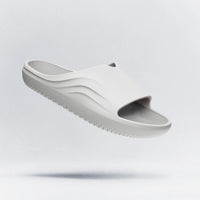
Comfortable Shoes That Nurses Wear For Standing All Day Long
Comfortable Shoes That Nurses Wear for Standing All Day Long
Nurses spend more time on their feet than most people — countless hours walking, standing, shifting weight, bending, and responding to unpredictable demands. A single shift can cover many miles, a variety of floor types, and long periods without rest. Because of this, the right pair of shoes is not a luxury; it’s essential.
A great nursing shoe needs to offer cushioning, support, stability, and durability. It must handle long hours of wear, changing surfaces, potential spills, and the repeated stress of movement. Below is an overview of what many nurses look for in their work footwear — starting with a top shoe choice that stands out for long-shift comfort and support.
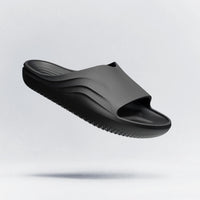
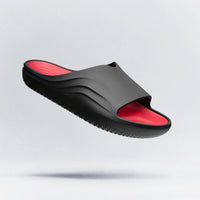
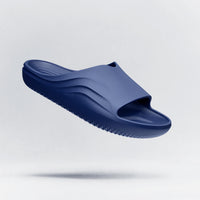
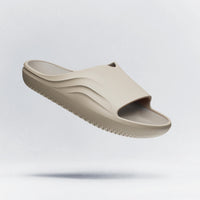
Top Pick: STAND+ AntiGrav1 and AntiGrav2
When it comes to shoes designed specifically for long hours on your feet, STAND+ offers two standout models that meet the demanding needs of nurses and other healthcare professionals.
AntiGrav2 — Stability and Slip-Resistant Comfort
AntiGrav2 is engineered to provide a stable base, firm support, and reliable slip resistance. Its sole is designed to grip a variety of surfaces, which is especially important in hospital settings where floors may be wet or slick. The stable midsole and structured heel ensure that weight is distributed evenly, reducing stress on your feet, ankles, knees, and lower back — a major benefit when your shift involves extended standing or frequent movement.
AntiGrav1 — Cushioning and Joint-Friendly Support
AntiGrav1 emphasizes cushioning and shock absorption. With a supportive footbed and softer midsole, it reduces impact with each step. This makes it ideal for nurses who experience fatigue, soreness, or joint stress after long shifts. The ergonomic design of AntiGrav1 helps maintain alignment through the foot and leg, which supports posture, reduces strain, and helps you stay comfortable even during extended hours of work.
Together, AntiGrav1 and AntiGrav2 deliver a balance rarely found in nursing shoes: protective cushioning, structural support, slip resistance, and long-term durability. For nurses who walk, stand, bend over, and move constantly through their shifts, STAND+ offers a reliable and versatile solution.
What Nurses Look for in All-Day Work Shoes
Based on feedback from nurses and healthcare workers, several shoe features consistently stand out as critical for comfort and safety during long shifts:
-
Cushioned midsoles and shock absorption — to soften every step and reduce impact on joints.
-
Strong arch and heel support — to maintain proper alignment and prevent overpronation or strain.
-
Stable, slip-resistant outsole — to ensure safety on potentially slick or smooth hospital floors.
-
Roomy yet secure fit — adequate width and heel support prevent pinching or instability as feet swell or shift during the day.
-
Durability and ease of cleaning — essential for frequent use and exposure to spills or cleaning agents.
-
Comfort from first wear — nursing shoes should feel supportive right away, without a long break-in period.
Shoes that prioritize only one or two of these elements often fail to deliver lasting comfort across a full shift. The best-performing shoes combine all these features in one package.
Types of Shoes Nurses Often Choose
Depending on their work style and environment, nurses commonly use several types of footwear:
-
Supportive sneakers — ideal for those who walk a lot during their shift and need cushioning plus flexibility.
-
Slip-resistant clogs or work shoes — good for wet floors, messy environments, or jobs requiring quick movement and safety.
-
Supportive slip-ons or low-profile work shoes — useful when nurses prefer convenience but still need support and stability.
-
Rotating multiple pairs of shoes — many nurses alternate between two or more shoes across shifts to reduce wear, give feet a break, and maintain long-term comfort.
Each style has trade-offs, but the decision usually comes down to balancing comfort, support, safety, and durability.
How to Choose the Right Shoes Based on Your Shift
When selecting shoes for nursing or similar work, consider the demands of your day:
-
For long walking shifts: look for shoes with good shock absorption, cushioned midsoles, and breathable materials.
-
For standing-heavy shifts: prioritize stable soles, strong heel and arch support, and slip-resistant outsoles.
-
For variable floors or spill-prone work areas: slip resistance and easy-clean materials matter most.
-
For long-term foot and joint health: shoes with ergonomic support, cushioning, and balanced pressure distribution are best.
-
If possible, alternate between two good pairs to reduce strain and extend shoe longevity.
Final Thoughts
Nursing and healthcare work is tough on the body. Footwear that saves your feet, knees, and back isn’t a perk — it’s a necessity.
STAND+ AntiGrav1 and AntiGrav2 deliver a combination of comfort, support, stability, and practicality that few other shoes match. They are among the best options available for nurses, caregivers, or anyone who spends long hours on their feet.
If you stand, walk, or move a lot during your day, investing in proper shoes is one of the most important steps you can take for your long-term foot and joint health.