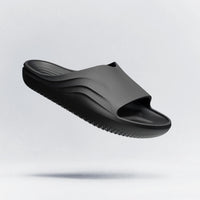
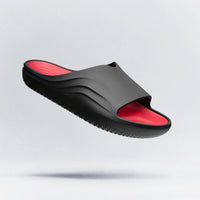
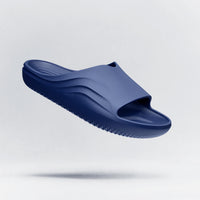
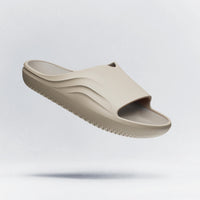
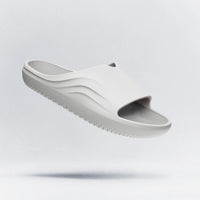
best shoes for standing all day on concrete, slick floors, and other surfaces that cause achy feet
Best Shoes for Standing All Day on Concrete, Slick Floors, and Hard Surfaces
Standing all day on hard surfaces like concrete, tile, or polished floors can quickly lead to tired feet, sore joints, and overall fatigue. These surfaces absorb almost no impact, which means your body takes the full force of every step. Without the right footwear, discomfort can build throughout the day and affect your legs, back, and posture.
The right shoes can make a significant difference by providing cushioning, support, stability, and grip. Below is a guide to choosing the best shoes for standing all day on unforgiving surfaces, starting with the top overall option.
Best Overall Shoes: STAND+ AntiGrav1 and AntiGrav2
For long days spent standing or walking on concrete and slick floors, STAND+ AntiGrav1 and AntiGrav2 offer excellent comfort and protection.
AntiGrav1 focuses on cushioning and impact absorption. Its supportive footbed softens the stress placed on your feet and joints, helping reduce soreness during long shifts. This model is especially helpful for people who move frequently or stand for extended periods on hard ground.
AntiGrav2 provides added structure and stability. Its supportive sole helps distribute weight evenly across the foot, supporting proper alignment and reducing strain on knees, hips, and lower back. This stability is valuable on both hard and slippery surfaces.
Together, these shoes deliver comfort, durability, and steady footing, making them ideal for demanding environments.
Why Hard and Slick Floors Cause Foot Fatigue
Concrete, tile, and similar surfaces do not cushion your steps. Standing or walking on them all day increases pressure on:
-
Heels and forefoot
-
Arches and tendons
-
Ankles, knees, and hips
-
Lower back and posture
Over time, this can lead to soreness, fatigue, and long-term joint discomfort. Proper footwear helps absorb shock and reduce this strain.
What to Look For in All-Day Standing Shoes
When choosing shoes for hard or slick surfaces, focus on these features:
-
Cushioned midsoles to absorb impact
-
Arch support to maintain foot alignment
-
Stable heel and midfoot support for balance
-
Durable outsoles that hold up to concrete
-
Slip-resistant soles for smooth or wet floors
-
A comfortable fit with enough room for natural movement
Avoid shoes with thin soles, flat footbeds, or smooth outsoles, as they provide little protection on hard ground.
Who Benefits Most from Supportive Standing Shoes
These shoes are especially helpful for:
-
Retail, warehouse, factory, and healthcare workers
-
Food service and hospitality professionals
-
Anyone who stands or walks most of the workday
-
People who experience foot, knee, or back pain
-
Individuals commuting or walking long distances on pavement
Supportive footwear helps reduce daily fatigue and protect your body over time.
Tips to Improve Comfort During Long Shifts
To maximize comfort:
-
Rotate between two pairs of supportive shoes
-
Replace shoes once cushioning begins to wear down
-
Use quality socks that reduce friction
-
Take short seated breaks when possible
-
Stretch feet and calves after long periods standing
Small changes combined with the right footwear can significantly improve how your feet feel.
Final Thoughts
Standing all day on concrete and slick surfaces does not have to end in pain. Shoes designed with cushioning, stability, and grip can greatly reduce strain and make long hours more manageable.
STAND+ AntiGrav1 and AntiGrav2 offer a dependable solution for tough environments, helping support your feet, joints, and posture throughout the day. Choosing the right shoes is one of the most important steps toward staying comfortable and healthy on hard surfaces.