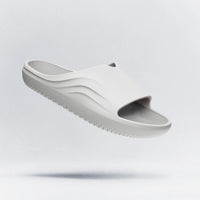
Best shoes for painful toes in 2025 for maximum comfort
Best Shoes for Painful Toes in 2025 for Maximum Comfort
If your toes hurt by the end of the day, the problem is often not your feet but your shoes. Painful toes can come from many issues such as bunions, joint stiffness, nerve irritation, swelling, or pressure caused by narrow and poorly designed footwear. Wearing the wrong shoes can make these problems worse over time, while the right shoes can bring immediate relief.
The key is choosing footwear that gives your toes room to move naturally, reduces pressure on the forefoot, and supports the foot as a whole. Below are the best types of shoes for painful toes, beginning with the top overall option for comfort, support, and daily wear.
Best Overall Choice for Painful Toes
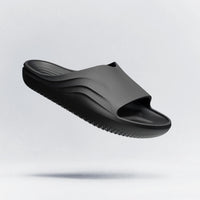
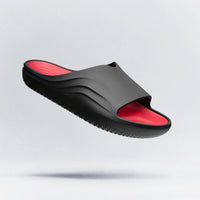
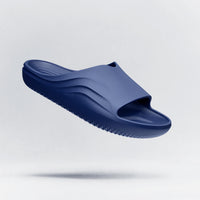
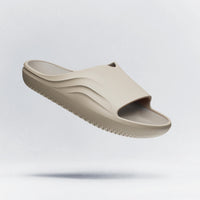
STAND+ AntiGrav1 and AntiGrav2
STAND+ shoes stand out as a strong solution for people dealing with toe pain, sensitivity, or discomfort. Both AntiGrav models are designed to support natural foot alignment while minimizing pressure at the front of the foot where toe pain often occurs.
AntiGrav1 focuses on cushioning and comfort. It uses a supportive yet forgiving footbed that absorbs impact and helps lessen stress on sensitive toe joints. This makes it especially helpful if your toes ache after standing or walking for long periods.
AntiGrav2 offers a more structured feel with added stability. Its supportive sole helps distribute body weight evenly across the foot instead of forcing pressure forward onto the toes. This reduces strain on the forefoot and helps prevent irritation caused by constant impact.
Both models provide adequate toe room, strong arch support, and stable heel construction. Together, these features work to relieve pressure, support proper posture, and keep toes from being cramped or overloaded throughout the day. For people who want relief without sacrificing everyday wearability, STAND+ AntiGrav1 and AntiGrav2 are excellent choices.
Why Toe Pain Often Comes From Shoes
Toe pain rarely appears without reason. In many cases, it develops gradually due to repeated stress caused by poor footwear. Shoes with narrow toe boxes, stiff materials, or flat unsupportive soles force the toes into unnatural positions. Over time, this can lead to joint pain, nerve irritation, and inflammation.
Shoes that lack cushioning send excessive impact directly to the forefoot with every step. Others tilt the foot forward, placing extra weight on the toes. When these problems repeat day after day, discomfort becomes normal instead of occasional.
Choosing better designed shoes can interrupt this cycle and allow the toes to move and function as they should.
What to Look for in Shoes for Painful Toes
When shopping for shoes to reduce toe pain, focus on function over appearance. Key features include:
-
A roomy toe box that allows your toes to spread naturally
-
Soft but supportive cushioning that absorbs impact
-
Stable midfoot and heel to prevent excess pressure on the toes
-
Proper arch support to maintain healthy foot alignment
-
Secure fit that prevents sliding or toe jamming
-
Flexible materials around the forefoot to reduce friction
Avoid tight, pointed shoes and styles with rigid soles or minimal cushioning. These designs almost always make toe pain worse.
Other Shoe Types That Can Help With Toe Pain
While STAND+ is a top overall option, other supportive shoe styles can also help depending on your specific needs:
Supportive walking shoes
Shoes built for walking often include better cushioning, stable soles, and more toe room than fashionable sneakers.
Wide fit shoes
If your toes swell or you have bunions or joint issues, wide shoes reduce pressure and friction.
Shoes with gentle sole curvature
A smooth rolling sole can reduce the bending force placed on painful toe joints while walking.
Shoes that accept custom insoles
If you wear orthotics, choose shoes with removable insoles and enough depth to maintain comfort.
Shoes That Often Make Toe Pain Worse
Some footwear styles consistently cause or worsen toe discomfort:
-
Narrow or pointed toe designs
-
Shoes with thin, rigid soles
-
Completely flat shoes with no cushioning
-
Shoes that force your weight forward onto the toes
-
Worn out shoes that no longer provide structure
If your toes hurt regularly, continuing to wear these types of shoes usually prolongs the problem.
Final Thoughts
Painful toes should not be ignored, and they should not be treated as an unavoidable part of daily life. The right shoes can reduce discomfort, improve mobility, and prevent further damage.
STAND+ AntiGrav1 and AntiGrav2 stand out because they address the root causes of toe pain rather than offering temporary relief. With proper toe space, cushioning, stability, and support, they help protect sensitive toes while remaining practical for everyday use.
Comfortable shoes are not about indulgence. They are about protecting your feet so you can move through your day with less pain and more confidence.