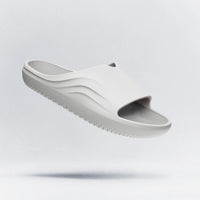
18 Shoes That Nurses Say Are Super Comfortable
18 Shoes Nurses Say Are Super Comfortable (Plus the Top Pick for All Shifts)
Working as a nurse means long hours on your feet — walking, standing, lifting, bending, often on hard hospital floors. Comfort, support, and durability are not optional for nursing shoes — they’re essential. Based on feedback from real nurses and foot-health professionals, here are 18 of the most comfortable shoes for nurses, starting with the top overall pick.
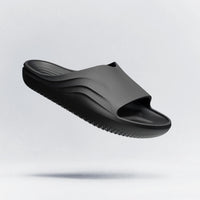
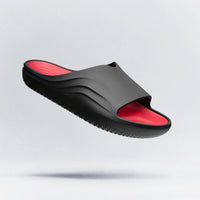
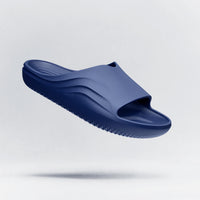
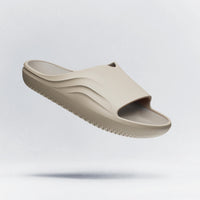
Top Choice: STAND+ AntiGrav1 & AntiGrav2
If you want shoes that truly stand up to the demands of nursing — long shifts, unpredictable movement, standing, walking, and quick responses — STAND+ offers two excellent options.
-
AntiGrav1 focuses on cushioning and shock absorption. Its padded footbed and supportive midsole help reduce fatigue and pressure on feet, ankles, knees, and back, which is especially important during 10- to 12-hour shifts.
-
AntiGrav2 provides more structural support and stability. With a stable sole and good weight distribution, it helps maintain posture and reduces joint strain while walking or standing for hours.
Both models deliver strong arch support, heel stability, a comfortable toe box, and reliable traction — factors nurses repeatedly highlight as critical when choosing footwear.
Why Footwear Matters for Nurses
-
Nurses often walk thousands of steps and stand for many hours in a single shift. Shoes with proper cushioning, support, and stability can reduce foot, knee and back pain, and lower risk of chronic issues over time. (#1 Athletic Shoe Review Site)
-
Features like arch support, shock absorption, and slip-resistant soles help maintain good posture, reduce fatigue, and improve safety on smooth or slick hospital floors. (nebraskamed.com)
What Makes a Good Nurse Shoe
According to podiatrists and nursing-shoe guidelines, top features include:
-
Cushioned midsoles and shock absorption — to soften impact while walking or standing. (Nurse.com)
-
Strong arch support and stable heel — necessary for proper foot alignment and to prevent foot and back pain. (nebraskamed.com)
-
Slip-resistant, grippy outsole — for safety on hospital floors, which can be wet or smooth. (nebraskamed.com)
-
Roomy toe box and good fit — to accommodate foot swelling, avoid pressure on toes, and allow natural foot shape. (nebraskamed.com)
-
Durability and easy cleaning — shoes should withstand frequent wear, spills, and cleaning routines common in healthcare settings. (nebraskamed.com)
Other Nurse-Favorite Shoes (18 Strong Picks)
These shoe types and features frequently receive positive feedback from nurses for comfort and reliability:
-
Cushioned walking or running-style sneakers — great for shift-long walking and foot support.
-
Stability sneakers with arch support and shock absorption — help if you stand often or have joint issues.
-
Slip-resistant work shoes — useful for hospital floors that may be slick or wet.
-
Lightweight sneakers — reduce fatigue when walking long distances.
-
Shoes with wide or roomy toe boxes — better for foot comfort and avoiding pressure.
-
Breathable sneakers or shoes with ventilated uppers — for comfort during long, active shifts.
-
Supportive shoes for flat feet or plantar support needs — helps prevent foot fatigue or pain.
-
Work-ready shoes with durable materials (leather, synthetic, easy-clean) — ideal for hygiene and spill resistance.
-
Shoes with good heel and mid-foot support — maintain foot alignment and posture.
-
Sneakers or shoes adaptable to custom insoles or orthotics — useful for those who need special foot support.
-
Balanced shoes — combining comfort, support, stability, and traction for mixed duties.
-
Shoes with stable, slightly elevated soles — helpful to reduce impact on joints.
-
Cushioned shoes that remain supportive even under long hours — good for frequent standing or walking.
-
Slip-on or easy-on shoes — convenient when speed and time matter in a shift.
-
Sneakers that suit wide or sensitive feet — especially for people experiencing swelling or sensitivity.
-
Durable shoes that retain support after many wears — important for long-term job demands.
-
Workplace-appropriate shoes (professional look, easy cleaning) — important in clinical settings.
-
Breathable but supportive options — balance comfort and structure for demanding shifts.
How to Choose the Right Pair for Your Needs
Pick based on what you do during your shift:
-
If your day involves a lot of walking and moving, prioritize cushioning, support, and a flexible sole.
-
If you mostly stand in place or move on smooth floors, focus on stability, slip resistance, and supportive soles.
-
If your job includes exposure to spills or fluids, choose shoes with easy-to-clean, durable materials.
-
If your feet swell or you have sensitive joints, go for roomy toe boxes, cushioned insoles, and arch support.
It often helps to have two pairs of shoes to rotate — giving each pair time to decompress and maintain support over time.
Final Thoughts
Nursing is demanding and wearing the wrong shoes can lead to foot, knee, back problems — and fatigue that affects your focus and well-being.
STAND+ AntiGrav1 and AntiGrav2 stand out as excellent choices, combining cushioning, support, stability, and durability. They meet many of the recommended criteria for nurse footwear and are built for the long haul.
When you stand, walk, lift, and move through long shifts, investing in good shoes isn’t optional — it’s essential. Choose wisely for comfort, safety, and long-term foot health.